Buying new radiators is a practical decision for most households. Alongside heat output, size and style, the warranty often influences the final choice. Yet many people only glance at the number of years offered and assume that figure alone guarantees protection.
It is reasonable to ask whether do radiators come with a warranty, and the short answer is that most do. The more useful question is what that warranty actually protects, what conditions apply, and which everyday actions can leave a claim unsupported.
What a Typical Radiator Warranty Covers
A manufacturer’s warranty on a radiator is designed to cover faults that arise from how the product was made. In plain terms, it protects against defects in materials, manufacturing or assembly. If a weld fails, a panel develops a leak because of a production fault, or a material weakness becomes apparent under normal use, the warranty is intended to address that.
The cover is usually limited to the radiator itself. Many warranties provide parts and labour for an initial period, often the first year, and then parts only for the remaining term. The precise split varies between manufacturers and product ranges, so the written terms matter more than any general assumption.
Warranties sit alongside your statutory rights under UK consumer law. Those rights cannot be reduced by a guarantee, and a manufacturer’s warranty is an additional layer of protection rather than a replacement for them.
What Is Usually Excluded
Most warranties do not cover problems that stem from how the radiator is handled, fitted or maintained after it leaves the factory. Common exclusions include damage caused during transport, storage or installation, faults that result from incorrect fitting, and issues linked to a poorly maintained heating system.
Internal corrosion is a frequent reason for refused claims. If the system water has not been treated with inhibitor, or if the system was never flushed when required, any resulting damage is generally treated as a maintenance issue rather than a manufacturing defect. Wear and tear, accidental damage and misuse also fall outside typical cover.
Consequential costs are another area to watch. Plumbing labour, removal and refitting charges, and any damage to surrounding decoration are rarely included. The warranty usually limits itself to repairing or replacing the faulty radiator.
Why System Water Treatment Matters So Much
The condition of the water inside a central heating system is one of the most important factors for keeping a warranty valid. British Standards set out how systems should be installed and how the water should be treated and maintained. Following those standards helps prevent the internal corrosion that can shorten a radiator’s life.
When new radiators are fitted, dosing the system with a suitable inhibitor is a straightforward step that protects both the radiators and the rest of the system. Where sludge or debris is already present, a flush may also be needed. Skipping these measures does not usually create an immediate problem, but it can leave a later claim unsupported if corrosion develops.
How Warranty Length Can Differ
Warranty periods are not the same for every radiator. Length often reflects the construction, materials and intended use of the specific product. Steel panel radiators, which are common in domestic heating systems, frequently carry longer terms because their manufacturing processes are well established. Towel rails, column radiators and certain specialist products may have shorter periods because of differences in design or finish.
Location also affects cover in some cases. Standard steel panel radiators installed in high-humidity rooms such as bathrooms, kitchens or shower rooms can be limited to a shorter warranty than the same model fitted in a dry living space. Products designed for humid environments usually retain their full term in those rooms. Matching the radiator to the room is therefore a practical way to preserve the expected cover.
Accessories such as valves, elements and fittings often have shorter warranties than the radiator body itself. Checking the terms for each item avoids surprises later.
Practical Steps That Help Protect Cover
A few simple actions make a noticeable difference to whether a warranty remains valid and usable:
- Choose a radiator suited to the room, particularly where humidity is high.
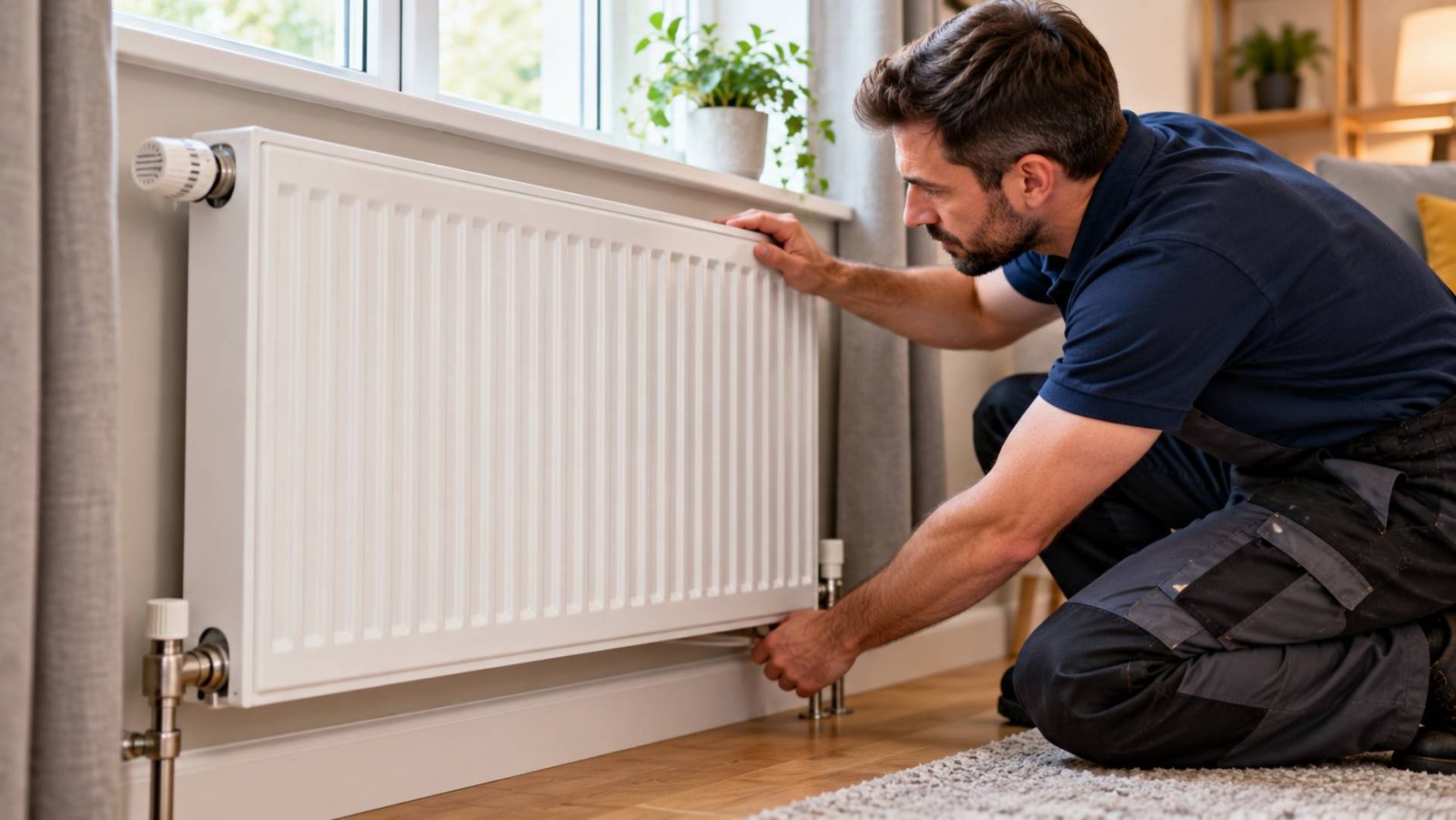
- Use a competent installer who follows recognised installation standards.
- Treat the system water correctly and maintain inhibitor levels over time.
- Keep proof of purchase, delivery or installation dates, and any registration documents the manufacturer requires.
- Read the specific warranty for the exact product rather than relying on a general brand figure.
These steps do not require specialist knowledge, but they do require attention at the point of purchase and installation.
When Professional Advice Is Useful
If a radiator develops a fault and the cause is unclear, it is sensible to seek advice from a qualified heating engineer. They can help establish whether the problem is likely to be covered or whether system conditions may be contributing. Manufacturers and retailers can also clarify the claim process and the evidence they need, such as proof of correct installation or water treatment records.
For larger projects or older systems, an engineer can advise on flushing, inhibitor choice and overall system condition before new radiators are fitted. That early check often prevents later disappointment.
Conclusion
A radiator warranty is a useful safeguard when it is understood properly. It covers manufacturing and material defects under defined conditions, but it does not protect against poor installation, untreated system water or damage that occurs after the product leaves the factory. Warranty length varies by product type and sometimes by room, so the specific terms for the model you choose are what count.
Read the conditions before you buy, match the radiator to its intended location, ensure proper installation and water treatment, and keep your paperwork. Those practical measures turn a warranty from a number on a page into genuine protection when you need it.